Alor Diving Guide: Indonesia's Remote Paradise for Hammerheads and Pristine Reefs
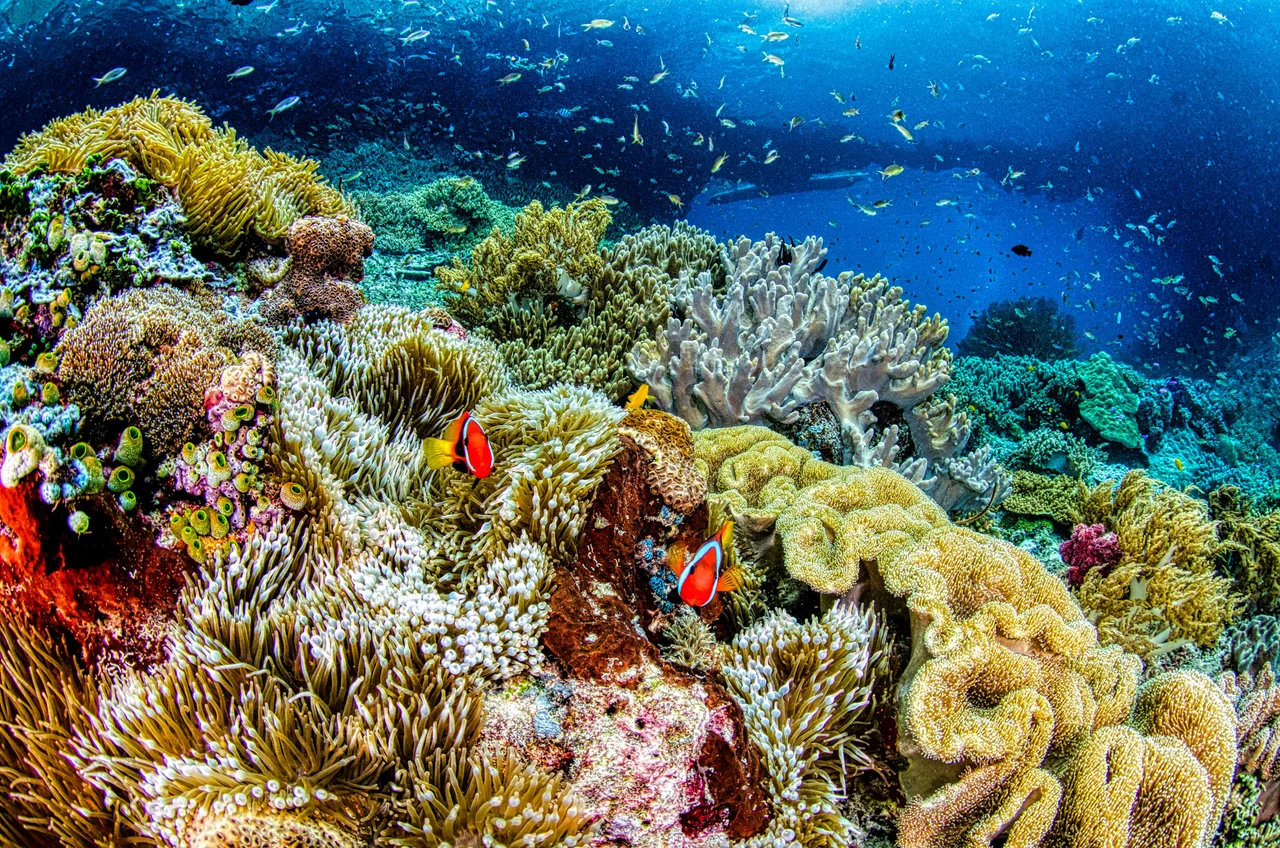
Alor offers some of Indonesia's most pristine and uncrowded coral reef diving
Discover Alor, Indonesia's most remote diving frontier—where hammerhead sharks patrol sheer coral walls and ripping currents deliver world-class pelagic encounters.
Overview: Why Alor Belongs on Every Diver's Bucket List
Far beyond the tourist trails of Bali and Komodo, tucked into the eastern arc of the Lesser Sunda Islands, lies Alor—one of Indonesia's best-kept diving secrets. This rugged, volcanic island sits at the confluence of the Banda and Flores Seas, and the result is an underwater world of almost incomprehensible richness. Strong upwellings drag cold, nutrient-dense water from the deep, fueling reef ecosystems that feel untouched by time. If you've been chasing the Indonesia of your dreams—the one with no crowds, no dive boats rafted five deep, and sharks on every dive—Alor is where you find it.
For experienced divers willing to travel far and dive hard, Alor delivers pelagic encounters, wall dives, and macro treasures in a single destination. It is not a beginner's playground. The currents are real, the sites are remote, and the logistics require planning. But the rewards are equally real: schooling hammerhead sharks, resident bumphead parrotfish, pristine hard coral gardens, and a sense of frontier diving that has almost vanished from the rest of Southeast Asia.
Getting to Alor
Alor is reached via Kupang, the capital of West Timor, which has connections from Bali (Ngurah Rai) and Jakarta. From Kupang, daily flights on Wings Air or Transnusa connect to Kalabahi, Alor's main town. The flight takes roughly an hour and offers jaw-dropping views of the island chain below. Live-aboard vessels operating in the region sometimes include Alor as a stop on longer Flores-to-Ambon itineraries, making it accessible from multiple directions.
Most dive operations are based in or near Kalabahi, and many offer simple but comfortable bungalow accommodation. The infrastructure is basic by international standards—electricity can be intermittent, hot water is not guaranteed—but the warmth of the local Alorese people more than compensates.
Best Time to Dive Alor
Alor can be dived year-round, but conditions vary significantly by season. The dry season from April through November is generally considered the best window. During these months, seas are calmer, visibility is highest (often exceeding 30 metres), and hammerhead sightings are most consistent. July and August see the strongest currents, which experienced divers often prefer because the pelagic action intensifies.
The wet season from December through March brings rougher surface conditions and reduced visibility in some areas, but also delivers unexpected rewards: whale sharks are occasionally sighted, and certain macro sites shine when plankton blooms attract unusual critters.
Water temperatures hover between 24°C and 28°C, with thermoclines occasionally dropping to 22°C at depth. A 3mm wetsuit is sufficient for most divers; those sensitive to cold may prefer a 5mm for deeper dives.
Signature Dive Sites
Pura Island — Hammerhead Junction
No conversation about Alor diving is complete without Pura Island. This small island northeast of Alor proper is ground zero for some of the most reliable hammerhead shark sightings in all of Indonesia. Schools of scalloped hammerheads—sometimes numbering in the dozens—patrol the blue water above the steep walls that plunge into the Flores Sea. Dives here are typically conducted as blue-water drift dives, hanging in the current at 20–30 metres and watching the show unfold above and below. Patience and buoyancy control are essential; the hammerheads are wild animals and will vanish in seconds if approached aggressively.
The Pinnacles
Alor's submerged seamounts and pinnacles are among the region's most dramatic structures. Rising from deep water to within metres of the surface, these formations are carpeted in hard and soft corals and swarmed by fish life. Giant trevally and dogtooth tuna hunt in the current-swept channels between peaks. Whitetip reef sharks rest on the ledges below. On a single drift across a major pinnacle, you might log encounters with napoleon wrasse, bumphead parrotfish in their characteristic massed formations, and clouds of anthias so dense they block the light from above.
Kal's Dream
Named after a pioneering local divemaster, Kal's Dream is a wall dive that descends past 40 metres and rewards every depth bracket along the way. The shallows burst with colour—seafans in magenta and orange, hard coral tables the size of dining room tables, and damselfish guarding their algae patches with comical ferocity. Deeper, black coral trees host hawkfish and longnose filefish. The wall itself is punctuated by small caves and overhangs where resting nurse sharks and lobsters shelter from the current.
Cliffhanger
The name tells you everything. Cliffhanger is a vertical drop site where the reef wall falls away into cobalt blue with barely a ledge to interrupt the descent. The coral coverage here is exceptional—it's the kind of site that makes underwater photographers forget to check their depth gauges. Keep an eye on the blue: oceanic triggerfish, tuna, and occasionally hammerheads cruise past. The shallow reef top, at 5–8 metres, is an excellent safety stop that doubles as a macro paradise.
Marine Life Highlights
Alor's position in the Coral Triangle means its species count is staggering, but certain animals define the experience:
- Scalloped Hammerhead Sharks: The signature attraction, best seen at Pura Island in the early morning.
- Bumphead Parrotfish: Large schools are regularly seen grazing on the reef crests.
- Mola Mola (Oceanic Sunfish): Occasional visitors, particularly in the cooler months.
- Blue-Ringed Octopus: Found by sharp-eyed guides in the sandy margins between reef sections.
- Pygmy Seahorses: Multiple species cling to seafans throughout the archipelago.
- Mandarinfish: The evening muck dive ritual at certain jetties delivers reliable mandarinfish sightings during their dusk courtship displays.
- Dugongs: Occasionally encountered grazing in seagrass beds near quieter bays.
Current, Conditions, and Diver Suitability
Alor is an intermediate-to-advanced destination. Currents can be powerful and unpredictable—sites that are calm in the morning can run at several knots by afternoon as tidal forces shift. Divers should be comfortable with:
- Drift diving techniques, including the ability to maintain position in current using natural features rather than fighting it.
- Negative entries, descending immediately upon entering the water to avoid being swept off the site.
- Good buoyancy control, as anchor damage to coral is a real concern in environments this pristine.
Minimum certification recommended: Advanced Open Water. Rescue Diver and dive experience of 50+ logged dives is advisable for the more exposed sites.
Practical Tips for Diving Alor
- Book a local operator: Alor's best sites require local knowledge. Guides who know the tidal patterns and the specific cleaning stations where hammerheads congregate will transform your experience.
- Carry a surface marker buoy (SMB): Mandatory in strong-current environments. Deploy it at the end of every dive.
- Dive early: The best conditions and calmest seas are almost always in the morning hours before afternoon winds develop.
- Respect the current: Never fight a ripping current. Learn to work with it—use the reef as a windbreak, tuck behind bommies, and read the water before you splash.
- Stay flexible: Remote destinations mean weather windows matter. Build extra days into your itinerary so that a rough sea day doesn't cost you Pura Island.
- Bring all your gear: Equipment rental options are limited and may not meet the standards you're accustomed to. Dive computers, regulators, and wetsuits should travel with you.
Conservation and Responsible Diving
Alor's reefs are as healthy as they are because human pressure has remained relatively low. As dive tourism grows, so does the responsibility of each visiting diver. Practise perfect buoyancy, never touch the coral, and choose operators who enforce no-glove policies and sustainable mooring use. Several local communities are actively engaged in reef protection initiatives; ask your dive operator how to support them.
Conclusion: Dive Alor Before Everyone Else Does
Alor occupies a rare position in the global diving landscape: a world-class destination that remains genuinely undiscovered by the mainstream. The hammerheads are real, the walls are spectacular, and the experience of diving in a place where you might be the only boat for kilometres in any direction is increasingly precious. If you have the skill and the appetite for adventure, put Alor at the top of your list—and go before the secret gets out.
Written by GeckoDive Team
The official GeckoDive team sharing diving knowledge, gear reviews, and destination guides.