Lembeh Strait: The Muck Diving Capital of the World
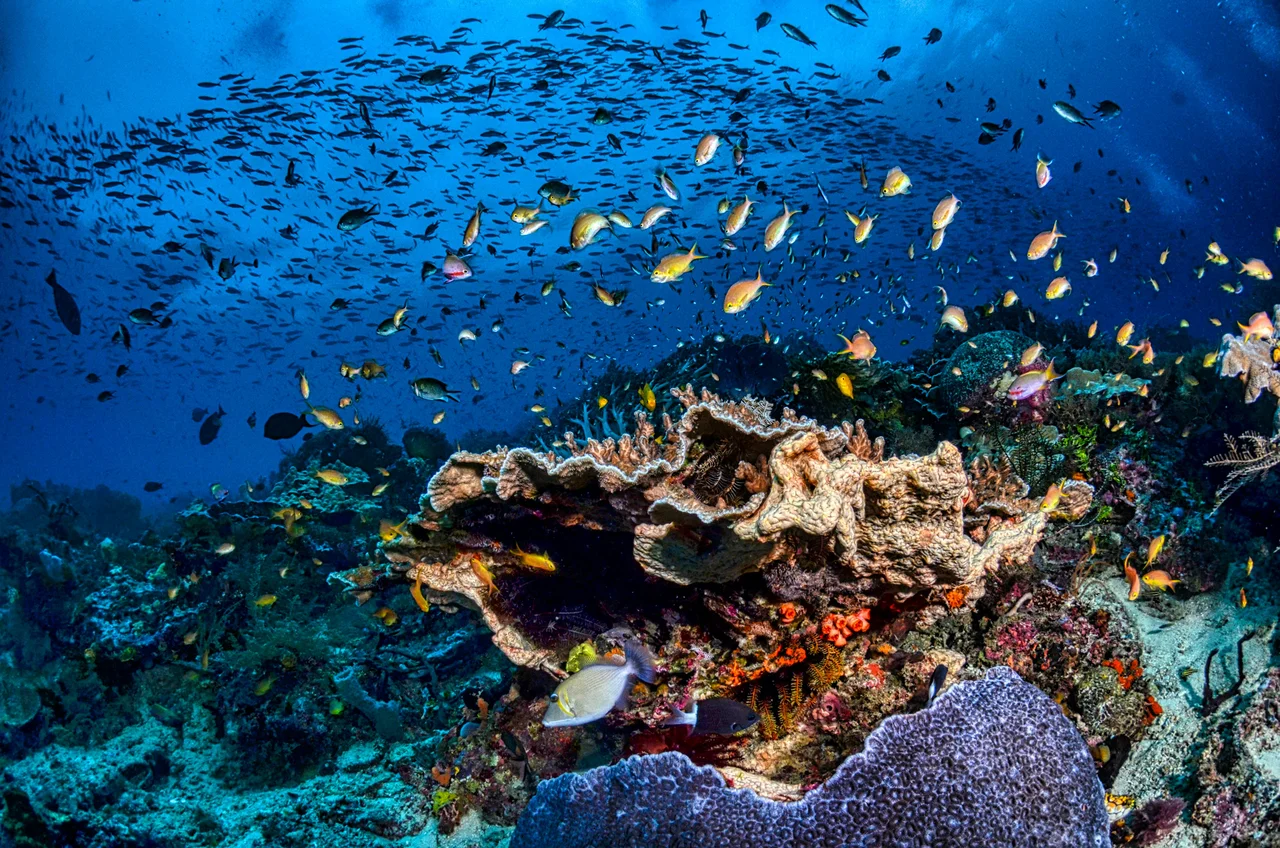
Lembeh Strait is the world-renowned muck diving capital, famous for rare critters
Discover Lembeh Strait in North Sulawesi — the world's premier muck diving destination, home to frogfish, mimic octopus, and flamboyant cuttlefish.
Introduction to Lembeh Strait
Tucked between the northeastern tip of Sulawesi and Lembeh Island in North Sulawesi, Indonesia, the Lembeh Strait is unlike any dive destination on earth. Forget the crystal-clear waters and sweeping coral gardens of the Coral Triangle's glamour destinations — Lembeh plays by entirely different rules. Here, the water runs dark with volcanic runoff, the seafloor is blanketed in black sand and muck, and the critters that call this place home are the stuff of diver legend.
Welcome to the muck diving capital of the world.
What Is Muck Diving?
Muck diving is a style of diving that rewards patience, sharp eyes, and a genuine love for the bizarre. Instead of cruising over vibrant reefs looking for sharks and mantas, muck divers creep slowly across sand, rubble, and algae-covered substrate searching for the world's most unusual marine creatures. The muck itself — sediment, volcanic sand, decomposing organic matter — is prime real estate for a staggering variety of cryptic species that have evolved extraordinary camouflage, mimicry, and survival strategies.
Lembeh perfected this art. The strait's unique combination of nutrient-rich water, volcanic terrain, and relative protection from the open ocean has created an ecosystem unlike anything else in the Indo-Pacific. Every dive here is a treasure hunt, and the prizes are among the strangest, most beautiful creatures evolution has ever produced.
The Critters That Make Lembeh Famous
Frogfish
Few creatures captivate underwater photographers like the frogfish. Lembeh hosts several species — the warty frogfish, the painted frogfish, and the legendary hairy frogfish — each a masterclass in camouflage. Hairy frogfish take it to another level, festooned with elaborate skin appendages called spinules that mimic algae or sponge growth. They sit motionless for hours, waiting for prey to wander within range of their lightning-fast strike — the fastest strike in the animal kingdom, executed in under 6 milliseconds.
Mimic Octopus
The mimic octopus (Thaumoctopus mimicus) is arguably the most astonishing creature in the ocean. Discovered in Lembeh's waters in 1998, this remarkable cephalopod can impersonate over fifteen different species — lionfish, flatfish, sea snakes, and more — adjusting its body shape, color, and movement to convincingly replicate the threat that best suits the moment.
Wonderpus
The wonderpus (Wunderpus photogenicus) is the mimic octopus's close relative — equally theatrical, equally difficult to find. Its bold orange and white banding makes it one of the most photogenic creatures in Lembeh, and each individual has a unique dorsal pattern, functioning like an octopus fingerprint.
Pygmy Seahorses
Pygmy seahorses are so perfectly matched to their host gorgonian corals that they remained unknown to science until a marine biologist accidentally collected one along with a piece of coral in 1969. Lembeh's Bargibant's pygmy seahorses cling to sea fans barely visible to the naked eye, their bodies textured with tubercles matching the coral's polyps with uncanny precision.
Flamboyant Cuttlefish
The flamboyant cuttlefish (Metasepia pfefferi) lives up to its name spectacularly. Rippling waves of electric yellow, purple, white, and red pulse across its body as it walks across the seafloor. Unlike most cuttlefish that prefer to swim, the flamboyant cuttlefish struts with remarkable confidence. Its muscle tissue is highly toxic, making it one of the few known toxic cephalopods.
Blue-Ringed Octopus
Small enough to fit in a coffee cup but armed with tetrodotoxin potent enough to kill 26 adult humans, the blue-ringed octopus is one of the ocean's most dangerous animals. Keep a respectful distance and never touch.
Best Dive Sites in Lembeh
Hairball — Named for the absurd density of hairy frogfish sometimes found here.
Nudi Falls — A gentle slope carpeted with nudibranchs of every color and form. Over 60 species recorded at a single site.
Aer Bajo — A classic muck site with frogfish, blue-ringed octopus, and mantis shrimp.
Police Pier — The underside of this jetty conceals pygmy seahorses, ghost pipefish, and ornate ghost pipefish year-round.
TK (Tanjung Kubur) — A legendary critter site and premier night diving destination.
Photography in Lembeh
Lembeh is arguably the finest macro photography destination on earth. Most photographers work with a 60mm or 100mm macro lens, though super-macro wet diopters open up an entirely different world of tiny subjects. A knowledgeable local dive guide is not optional here — it is essential.
Best Time to Visit
Lembeh dives year-round. The dry season (May to October) offers better visibility. The wet season (November to April) can reduce vis but often increases critter density. Water temperatures range from 26-30C.
Conclusion
Lembeh Strait doesn't dazzle you with walls of coral or schooling pelagics. It seduces you slowly — one extraordinary creature at a time.
Written by GeckoDive Team
The official GeckoDive team sharing diving knowledge, gear reviews, and destination guides.