Master Neutral Buoyancy: The Complete Guide to Perfect Buoyancy Control
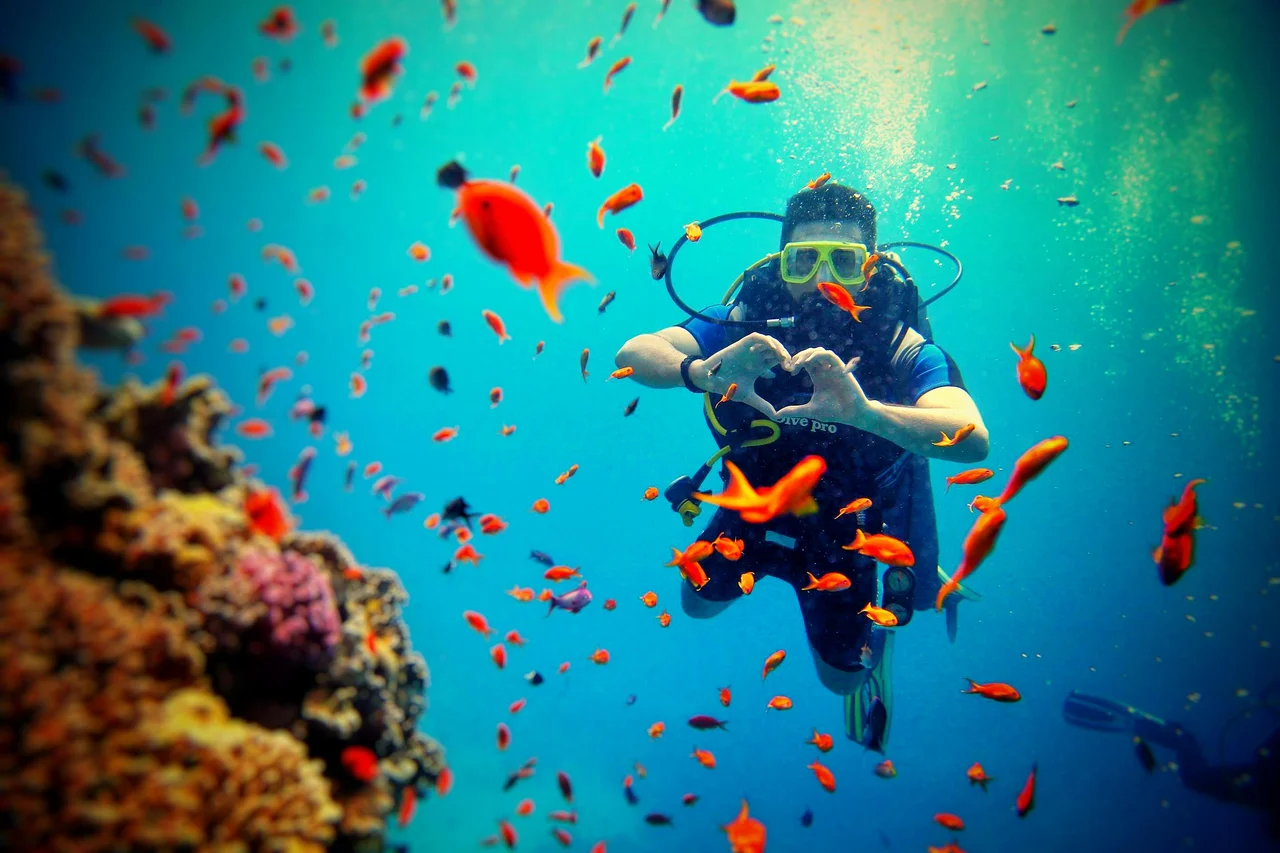
Master neutral buoyancy: the essential skill for effortless diving and reef conservation
Neutral buoyancy is the single most important skill in diving — master it and transform your underwater experience, protect reefs, and extend your bottom time.
Why Neutral Buoyancy Is the Foundation of Great Diving
Ask any experienced diver what separates a novice from a skilled underwater explorer, and they will almost certainly say the same thing: buoyancy control. Perfect neutral buoyancy is not simply a technical achievement — it is the gateway to everything the underwater world has to offer. Divers who have mastered it glide effortlessly through the water column, barely disturbing the environment around them, while consuming far less air than those who constantly fight the water for position.
Poor buoyancy control has real consequences. Divers who sink unexpectedly can damage fragile coral formations, stir up sediment that clouds the water and smothers delicate organisms, or accidentally injure themselves on sharp reef structures. Conversely, divers who are positively buoyant risk ascending uncontrolled — a potentially life-threatening situation that can lead to decompression illness or arterial gas embolism. The physics are unforgiving, but the skill is entirely learnable with the right approach.
Understanding the Physics of Buoyancy
Buoyancy follows Archimedes' principle: an object immersed in fluid experiences an upward force equal to the weight of the fluid it displaces. When you are neutrally buoyant, the upward buoyant force exactly balances your weight in the water. Achieve this, and you hover effortlessly at any depth.
Three main factors affect your buoyancy underwater: your body composition, your equipment, and the density of the water itself. Saltwater is denser than fresh water, meaning you need more weight to achieve neutral buoyancy in the ocean than in a pool. A wetsuit traps air bubbles in its neoprene foam structure, adding positive buoyancy — thicker suits add more. Your BCD allows you to add or remove air to fine-tune your position, while your lungs act as a natural, infinitely adjustable buoyancy device with every breath.
Getting Your Weighting Right
The single biggest mistake new divers make is overweighting. Carrying too much lead creates a cascade of problems: you need to inflate your BCD more to compensate, which makes you larger and drag-prone, which increases air consumption, which changes your buoyancy as your tank empties.
Proper weighting should leave you neutrally buoyant at the surface with a nearly empty tank (around 50 bar) and your BCD completely deflated. Start light. You can always add weight, but you cannot remove what you do not have with you. Many divers find that after proper training, they can remove two to four kilograms compared to what they were using as beginners.
The Art of Breathing for Buoyancy Control
Once you are correctly weighted, your lungs become your primary buoyancy tool. A full breath of air increases your lung volume by roughly three liters. Learning to use your breath for micro-adjustments is one of the most powerful skills you can develop as a diver.
Practice slow, controlled, diaphragmatic breathing rather than shallow chest breathing. Breathe in slowly and fully, feel yourself rise slightly. Breathe out slowly and completely, feel yourself settle. The goal is to find the middle point of this cycle — your neutral breathing baseline — where you hover without BCD input.
Never hold your breath while diving, but do learn to control the pace and depth of each breath cycle.
Horizontal Trim: The Other Half of Buoyancy
Buoyancy control is not just about depth — it is also about your body position in the water. Ideal trim means your body is horizontal, parallel to the seafloor, with your fins elevated slightly above your head line. This position minimizes drag, protects the reef below you, and allows efficient finning.
Your kit configuration matters enormously. A tank that rides too high sits your center of gravity behind your shoulders, tipping you head-down. Adjust your tank band until your regulator first stage is roughly level with the top of your head when you are horizontal.
Essential Buoyancy Exercises
The Hover Challenge: Find a flat sand area at 5-10 meters. Deflate your BCD fully, cross your arms, and attempt to hover motionless for 30 seconds using only breathing.
The Fin Pivot: Lie horizontally near the bottom. Take a controlled breath and allow your legs to rise while your fins touch the bottom lightly. Practice breathing to rotate up and down like a seesaw.
Backwards Finning: Forces you to slow down and control your buoyancy precisely while moving in an unfamiliar direction.
The Descent Control Drill: Practice stopping your descent at a precise target depth using only breathing and minimal BCD use.
Why Buoyancy Matters for Marine Life Preservation
Coral reefs are among the most biodiverse ecosystems on Earth, and they are extraordinarily fragile. A single careless finning strike can destroy coral that took decades to grow. Silt stirred up by poor buoyancy smothers living coral polyps for hours.
Responsible divers understand that their buoyancy skill is an act of environmental stewardship. Many marine creatures will approach a calm, neutrally buoyant diver in ways they never would an erratic one.
Fine-Tuning at Depth
As you descend, increased water pressure compresses the air in your wetsuit's neoprene, reducing its buoyancy. You must add air to your BCD as you descend and vent it as you ascend — this is the fundamental dance of buoyancy management.
The key is making small, frequent adjustments rather than large, infrequent ones. Add a single two-second burst to your BCD rather than a five-second flood.
Conclusion
Neutral buoyancy is a skill that rewards practice more than almost any other aspect of diving. Commit to deliberate buoyancy exercises on every dive, get your weighting right, configure your kit for horizontal trim, and harness your breathing as your primary buoyancy tool. The improvement is transformative.
Written by GeckoDive Team
The official GeckoDive team sharing diving knowledge, gear reviews, and destination guides.