The Great Barrier Reef: Australia's Underwater Wonder — Complete Diving Guide
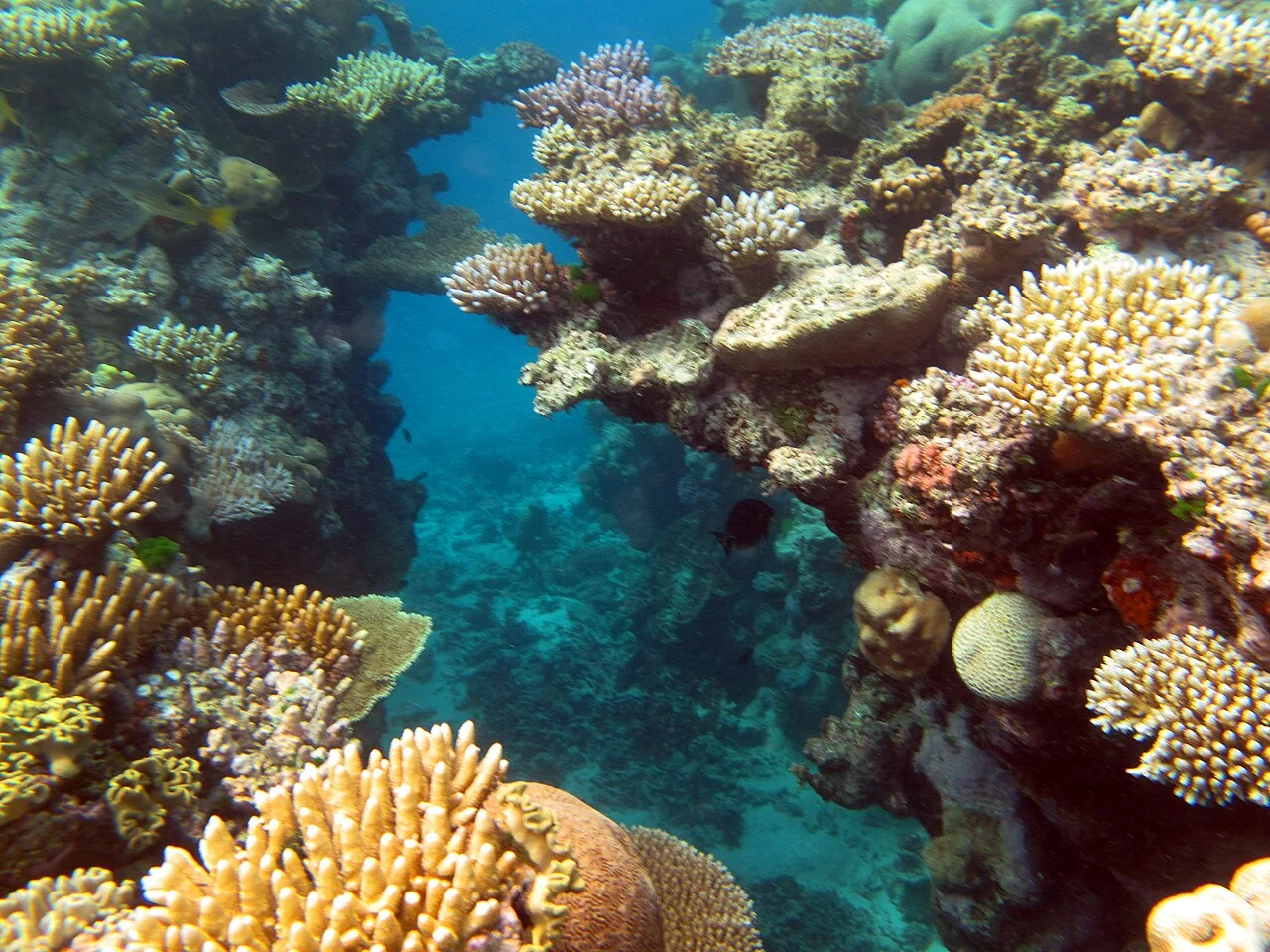
Beautiful coral reef in the Great Barrier Reef, Australia. Photo by Steve Evans (CC BY 2.0)
The ultimate guide to diving the Great Barrier Reef — Australia's underwater wonder. Discover the best dive sites, marine life, liveaboard trips, and essential tips for planning your dream dive trip to the world's largest coral reef system.
Why Dive the Great Barrier Reef?
The Great Barrier Reef is more than just a dive site — it's the largest living structure on Earth, visible from space, and a UNESCO World Heritage site that stretches over 2,300 kilometers along the northeast coast of Australia. With over 2,900 individual reef systems and 900 islands, this underwater paradise offers an almost infinite variety of dive experiences, from shallow coral gardens teeming with clownfish to dramatic wall dives where sharks patrol the deep blue.
For divers, the Great Barrier Reef represents the ultimate bucket-list destination. Its sheer scale means you could dive here for years and never visit the same site twice. Whether you're a newly certified open water diver or a seasoned technical diver with hundreds of dives under your belt, the reef delivers experiences that will redefine your understanding of what the underwater world can be.
Best Dive Sites on the Great Barrier Reef
1. The Ribbon Reefs — Remote Pristine Beauty
Located off Cooktown in the remote northern section of the reef, the Ribbon Reefs are a series of ten elongated reefs that offer some of the best diving in the entire Great Barrier Reef system. Only accessible by liveaboard, these sites reward visitors with exceptional visibility, healthy coral coverage, and encounters with the reef's most iconic residents.
Highlight dive: Cod Hole — famous for its friendly potato cod that can grow up to 2 meters long. These gentle giants are accustomed to divers and will often swim right up to you for a closer look.
Also not to miss: Steve's Bommie — a coral pinnacle rising from the depths that attracts grey reef sharks, barracuda, and massive schools of fusiliers.
2. SS Yongala Wreck — The World's Best Wreck Dive
Consistently ranked among the top wreck dives on the planet, the SS Yongala sank in 1911 during a cyclone and now rests in 30 meters of water off the coast of Townsville. The wreck is remarkably intact and has become an artificial reef teeming with marine life.
What makes the Yongala special is the sheer density and diversity of life. From massive Queensland groupers and giant trevallies to sea snakes, turtles, and rays — the wreck is a living ecosystem. In season (June to October), you might even encounter a minke whale or tiger shark cruising past.
Diver level: Advanced open water recommended due to depth and potential currents.
3. Osprey Reef — Shark Encounters in the Coral Sea
Located in the Coral Sea, about 150 kilometers offshore from Cairns, Osprey Reef is a remote oceanic atoll famous for its shark diving. The reef drops away to depths of over 1,000 meters, attracting pelagic species that make for unforgettable encounters.
At the famous North Horn dive site, you can watch grey reef sharks, white tip reef sharks, and occasionally hammerheads cruise the current-swept channels. The visibility here routinely exceeds 40 meters, making it one of the clearest dive sites in the entire Coral Sea.
4. Agincourt Reef — The Outer Reef Classic
Situated at the very edge of the continental shelf, Agincourt Reef is one of the most accessible outer reef systems from Port Douglas. The reef features a stunning network of ribbons and lagoons, with dive sites suitable for all experience levels.
The reef is known for its extraordinary coral gardens — expect to see staghorn corals, brain corals, and soft corals in every color imaginable. The shallow sandy areas between coral bommies are perfect for spotting rays and small reef sharks.
5. Heron Island — Turtle Central
Heron Island at the southern end of the Great Barrier Reef is a true coral cay surrounded by 24 dive sites accessible directly from the shore. The island is a major nesting site for green and loggerhead turtles, and between November and March, you can watch turtles laying eggs on the beach at night and then swim with them the next morning.
Must-dive: Heron Bommie — a massive coral pinnacle estimated to be 900 years old, rising from 26 meters to just below the surface. The bommie is encrusted with colorful corals and always surrounded by fish.
Marine Life You'll Encounter
The Great Barrier Reef is home to an astonishing 1,500 species of fish, 400 types of coral, 4,000 species of mollusk, and 240 species of birds. Here's what to look out for:
- Sea Turtles: Six of the world's seven species of sea turtle call the reef home, including green, loggerhead, and hawksbill turtles.
- Reef Sharks: Whitetip and blacktip reef sharks are commonly seen cruising the reef. Grey reef sharks dominate the outer reefs and Coral Sea sites.
- Manta Rays: Lady Elliot Island and the southern reef are famous for manta ray cleaning stations.
- Clownfish: Made famous by Finding Nemo, these charismatic fish are found in almost every anemone on the reef.
- Giant Clams: The Great Barrier Reef is home to the largest giant clams in the world, some reaching over a meter across.
- Whales: Humpback whales migrate through the reef from June to September, and dwarf minke whales gather near the Ribbon Reefs from May to July.
- Maori Wrasse: These enormous, friendly fish can grow up to 2 meters and are a highlight of outer reef dives.
Best Time to Visit
The Great Barrier Reef is a year-round destination, but conditions vary significantly by season:
Best overall window: June to October offers the best combination of visibility, comfortable water temperatures, and marine life activity. However, this is also the busiest and most expensive period.
Dry Season (Winter, June-October): 24-27°C water, visibility 20-40m, mild currents. Highlights include minke whales (Jun-Jul) and humpback whales (Aug-Sep).
Wet Season (Summer, November-May): 28-30°C water, visibility 10-20m, stronger currents. Highlights include turtle nesting (Nov-Feb) and lower prices, but be mindful of stingers (Nov-May).
Getting There — Dive Base Options
Cairns: The most popular gateway to the Great Barrier Reef. Cairns offers the widest range of dive operators, from budget day trips to luxury liveaboards. It's the departure point for the outer reef, the Ribbon Reefs, and the Coral Sea.
Port Douglas: A more upscale alternative to Cairns, Port Douglas is closer to the outer reef (Agincourt, Low Isles) and offers a more relaxed vibe. Many premium liveaboards depart from here.
Townsville: The gateway to the SS Yongala wreck and Magnetic Island. Less touristy than Cairns, with excellent diving on the central reef.
Whitsundays (Airlie Beach): Famous for its island resorts and Whitehaven Beach. The Whitsundays offer a mix of reef and island diving, accessible by day boat or by staying on resort islands.
Lady Elliot / Heron Island: For dedicated divers who want to be steps away from the reef, these coral cay resorts offer unparalleled access.
Liveaboard vs Day Trips
Liveaboard (Recommended): For the best experience, book a liveaboard trip. Multi-day trips allow you to reach the remote Ribbon Reefs, Coral Sea, and Osprey Reef — areas inaccessible to day boats. Liveaboards typically offer 3-4 dives per day including night dives, with all meals and accommodation included. Prices range from AUD $500-1,500+ depending on duration and luxury level.
Day Trips: If you're short on time or on a budget, day trips from Cairns or Port Douglas are an excellent introduction. You'll typically get 2-3 dives at outer reef sites. Many operators cater to both certified divers and snorkelers.
Diving Conditions and Skill Requirements
- Water Temperature: 24-30°C year-round (3mm or 5mm wetsuit recommended in winter)
- Visibility: 10-40 meters depending on season and location
- Currents: Can be strong at outer reef and Coral Sea sites — drift diving is common
- Difficulty: Suitable for all levels, but advanced certification recommended for deeper sites, wrecks, and current-prone locations
- Nitrox: Highly recommended for multi-day liveaboard trips — most operators offer it
Conservation and Responsible Diving
The Great Barrier Reef faces significant threats from climate change, coral bleaching, and crown-of-thorns starfish outbreaks. As a diver, you can help protect this world wonder:
- Practice perfect buoyancy — avoid touching coral, which can take decades to recover from a single fin kick.
- Use reef-safe sunscreen — standard sunscreens contain chemicals that harm coral larvae.
- Choose eco-certified operators — look for ECO Certification or Green Travel Leader status.
- Report marine debris — if you see ghost nets or fishing line, report it to your dive operator or the Great Barrier Reef Marine Park Authority.
- Never take anything — shells, coral, and marine life are protected within the Marine Park.
Estimated Costs
Day Trip (2-3 dives): AUD $200-600
2-Day Liveaboard: AUD $500-1,500
5-7 Day Liveaboard: AUD $1,500-5,000
Resort Package (3-5 days): AUD $800-4,000
Final Thoughts
The Great Barrier Reef is one of those rare destinations that genuinely deserves its legendary status. Despite the challenges of climate change, vast sections of the reef remain healthy, vibrant, and teeming with life. Diving here is not just a vacation — it's a pilgrimage to one of the most extraordinary ecosystems on our planet.
Whether you're descending onto the wreck of the Yongala, drifting along the walls of Osprey Reef, or watching a sea turtle glide past at Heron Island, every dive on the Great Barrier Reef is a reminder of why we fell in love with the underwater world in the first place.
Plan your trip, dive responsibly, and experience the magic of the world's greatest reef.
Written by GeckoDive Team
The official GeckoDive team sharing diving knowledge, gear reviews, and destination guides.